Opulence Is Tacky?
For centuries, the language of luxury has been written in gold leaf. From the mirrored halls of Versailles to the diamond-dripped runways of the early 2000s, opulence has always been the ultimate signifier of wealth and power. But today, something has shifted.
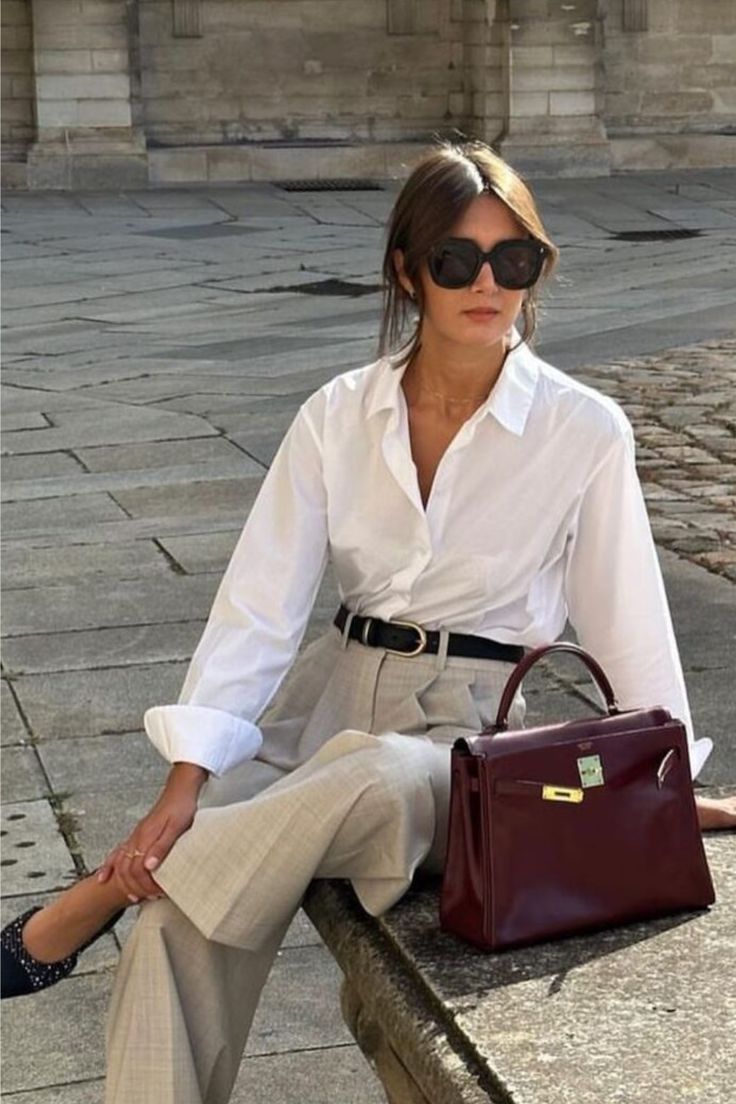
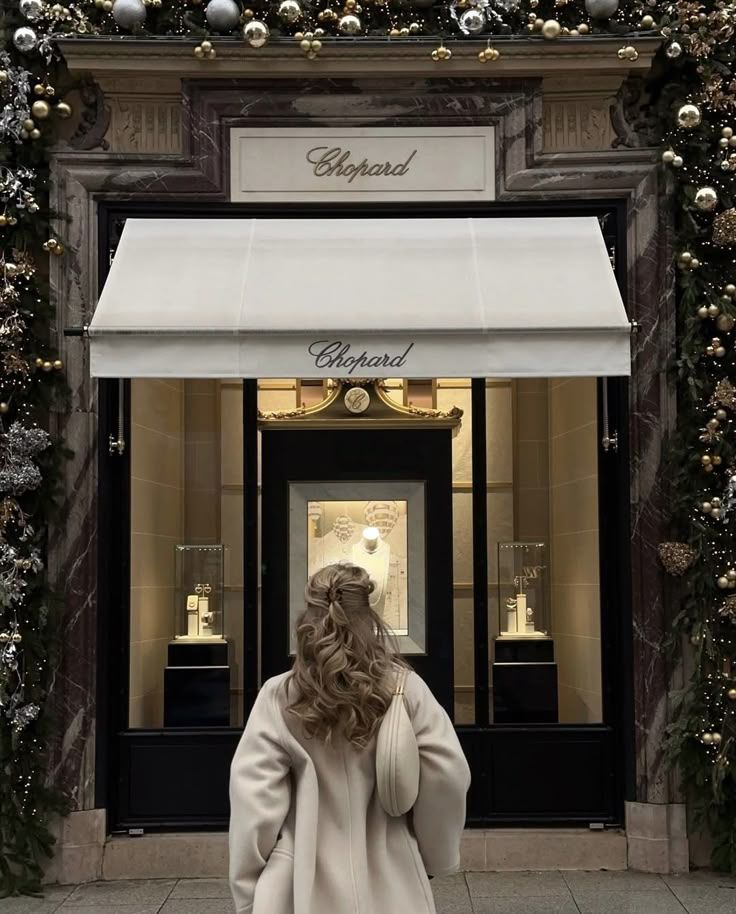
The new elite whisper where their predecessors shouted. Velvet curtains have been replaced by minimalist linen drapes; logos have disappeared into tonal stitching. Luxury, it seems, has gone quiet.
The Age of Display: Louis XIV and the Birth of Excess
To understand how we arrived here, we have to return to the 17th century — to the court of Louis XIV, the Sun King, who perfected the art of conspicuous consumption.
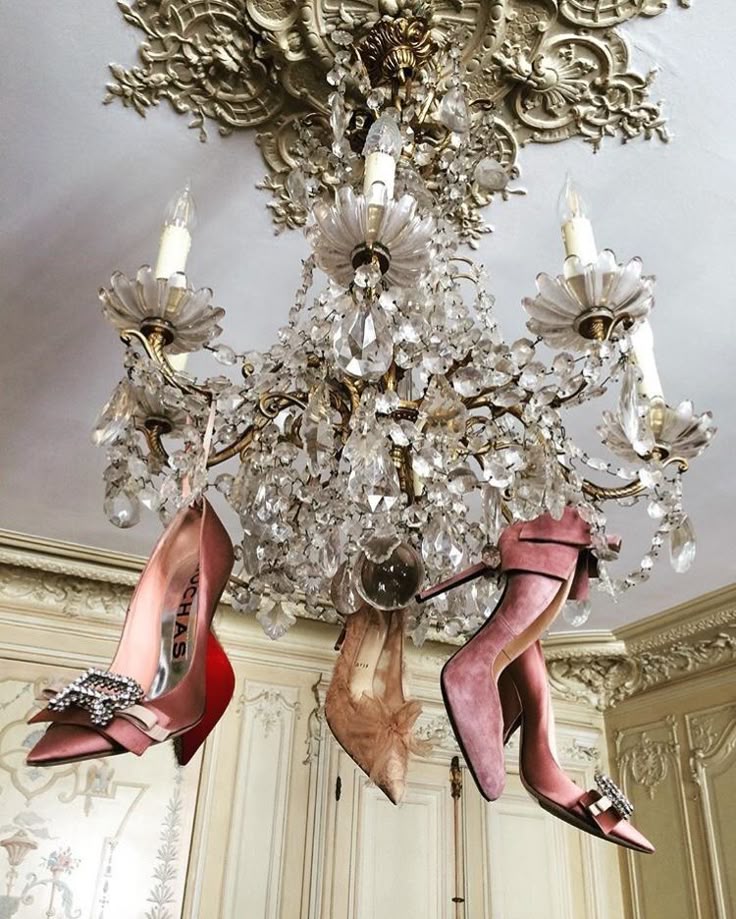
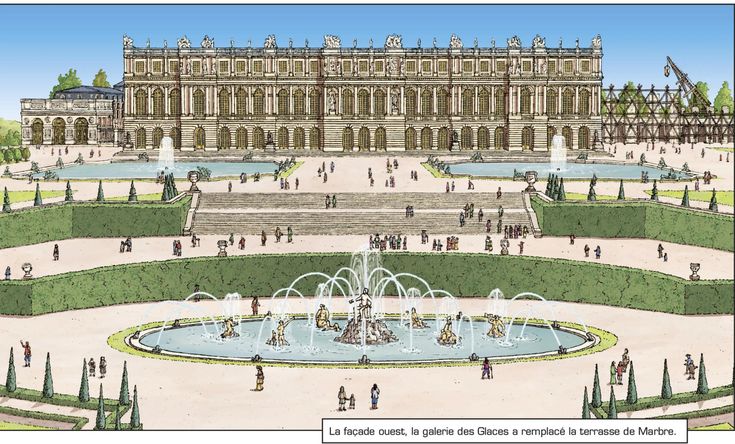
Versailles wasn’t merely a palace; it was propaganda in marble and gold. Every chandelier, every gilded frame, every mirrored panel reflected not just light, but royal supremacy. The king was the brand.
For Louis, luxury was a political instrument. The grandeur of Versailles projected French dominance, while the ritual of daily court life — where courtiers competed for the privilege of holding the king’s sleeve — was the ultimate display of power through proximity and aesthetics.
To be seen was to exist.
The Democratization of Luxury
Fast forward to the industrial age, and opulence began to democratize. The rise of department stores, couture houses, and later fast fashion allowed luxury — or at least its imitation — to trickle down.
By the 1980s, wealth had become loud again:
Power suits
Shoulder pads
Gold chains
The “more is more” ethos dominated Wall Street as much as Studio 54.
By the early 2000s, brands like Louis Vuitton and Gucci turned logos into cultural currency. Monograms screamed status. Designer handbags became passports into aspirational lifestyles. Opulence, once reserved for monarchs, became visible everywhere — even if it was financed rather than owned.
Enter Quiet Luxury: The Power of Restraint
Then came the backlash.
The 2008 financial crisis, the rise of minimalism, and a growing focus on sustainability and authenticity eroded the appeal of overt displays of wealth. The wealthy still wanted to signal status — they just didn’t want to look like they were trying.
“Quiet luxury” emerged as the modern aristocracy’s new code.
Brands such as:
The Row
Loro Piana
Brunello Cucinelli
championed subtle craftsmanship, muted palettes, and anonymity. No logos. No spectacle. Just precision.
If you know, you know.
Why Opulence Became “Tacky”
In the age of social media and global inequality, excess can feel tone-deaf. The gold-plated displays once admired at Versailles now risk being read as vulgar or disconnected.
Where Louis XIV’s grandeur symbolized divine right, today’s ostentation can look like insecurity masquerading as success.
Cultural taste has also shifted. Algorithms reward subtlety, intelligence, and authenticity. Quiet luxury feels aspirational not because it is unreachable, but because it suggests control, taste, and discretion.
The Paradox of Modern Taste
Still, fashion is cyclical.
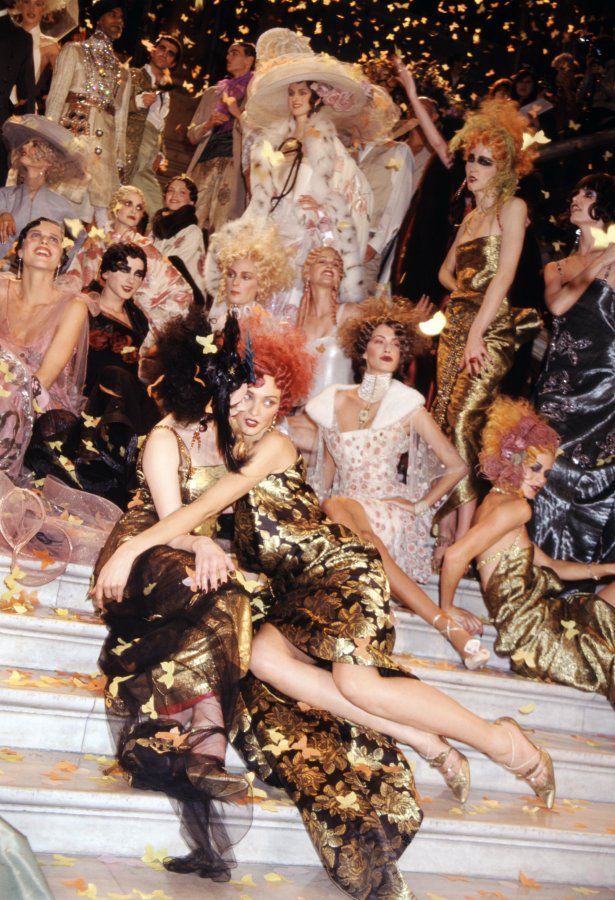
Even as quiet luxury dominates, maximalism never fully disappears. From Beyoncé’s Renaissance tour to the revival of baroque interiors, spectacle continues to seduce.
Opulence doesn’t die — it changes costume.
What was once gold leaf is now cashmere beige.
What was once a hall of mirrors is now a perfectly curated Instagram feed.
Luxury Never Stays Silent Forever
Luxury is not about volume — it’s about context.
Quiet luxury may rule now, but history suggests excess is only waiting for its next entrance. In fashion, taste is never fixed; it simply reinvents its vocabulary.