Norma Jean didn’t become Marilyn Monroe because of talent alone. She became Marilyn because fashion intervened.
Before the platinum hair and body-conscious gowns, Norma Jean dressed like thousands of working-class women in postwar America: practical dresses, modest cuts, soft colors. There was nothing iconic about her wardrobe — and that was precisely the problem.
Hollywood didn’t just style her. It redesigned her silhouette
The Birth of the Marilyn Silhouette
The transformation began with shape. Studio costume designers emphasized curves through cinched waists, structured bras, and fabric that clung strategically to the body.
This wasn’t accidental glamour. It was engineering.
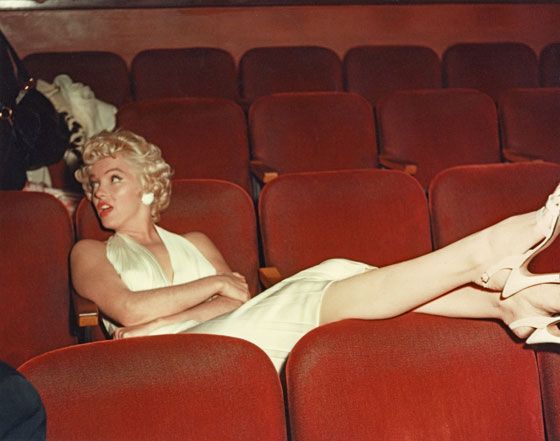
Bias-cut satin gowns, halter necklines, and hip-hugging skirts exaggerated femininity while maintaining a controlled elegance. The goal was not fashion-forwardness, but memorability.
Marilyn’s body became a consistent visual logo.
Color as Seduction
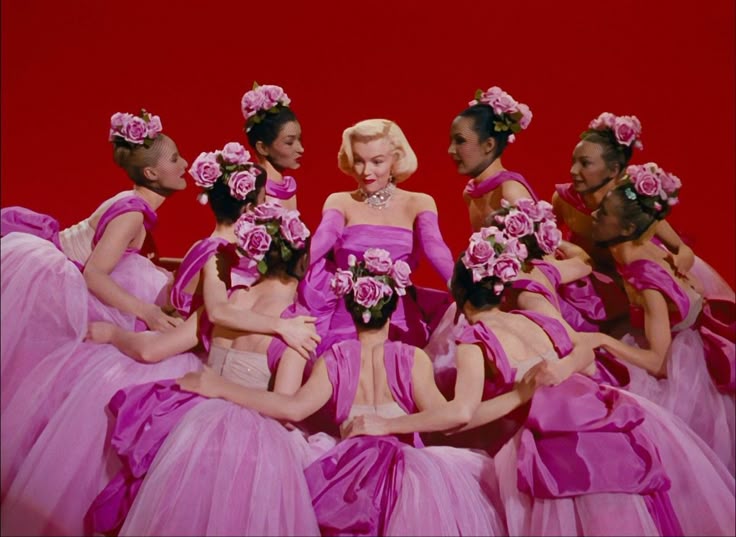
While many actresses of the era were dressed in muted tones, Marilyn was wrapped in contrast: ivory, red, black, and shocking pink.
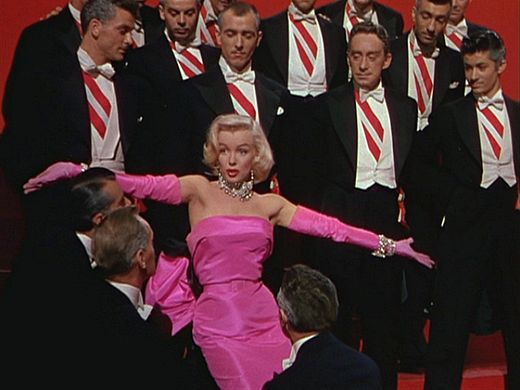
The infamous pink satin gown from Gentlemen Prefer Blondes wasn’t just costume — it was branding. Hyper-feminine, theatrical, and unforgettable, it reinforced the idea of womanhood as spectacle.
Fashion didn’t reflect her personality. It constructed her myth.
Undergarments: The Invisible Architecture
Marilyn’s look depended heavily on what couldn’t be seen. Custom corsetry, padded bras, and precise tailoring shaped her body into a consistent fantasy across films, photoshoots, and public appearances.
This level of control erased spontaneity. Norma Jean’s natural body was edited into an idealized form — one that appeared effortless while requiring constant maintenance.
Fashion promised ease while enforcing discipline.
Off-Duty Marilyn: A Different Story
Away from cameras, Norma Jean favored simpler clothes: black turtlenecks, trench coats, ballet flats. The contrast is striking.
Off-duty, her style leaned toward what we now call still fashion — timeless, minimal, emotionally quieter. It’s in these images that Norma Jean briefly reappears.
And it’s here that modern designers find their references.
Her Lasting Influence on Fashion
Marilyn’s image continues to echo through fashion history:
- Jean Paul Gaultier reinterpreting structured femininity
- Versace reviving body-conscious glamour
- Skims packaging curves as empowerment
Every revival of hyper-femininity carries her imprint.
Fashion learned from Marilyn that desire sells — but also that desire can become a cage.
Conclusion: Fashion Made Her Visible — and Vulnerable
Norma Jean didn’t lose herself because she wore beautiful clothes. She lost herself because fashion allowed no evolution.
Her image was fixed, perfected, and frozen.